
Posted on

Winter Pests in Arizona: What You Should Watch For

While Southern Arizona winters are mild, pest activity isn’t! As it gets colder in cities like Phoenix, Scottsdale, Mesa, and Tempe; many pests search for warmth, shelter, and food inside buildings; making winter an important season for proactive pest management on HOA and Commercial Properties.

Understanding which pests are most active during the winter (and how they’re treated) can help prevent larger issues in the future. It’s important to utilize a pest control service to prevent future issues.

Common Winter Pests:

Rats & Gophers: Rodents are one of the most common winter pests that we find on properties. They enter buildings through small openings as well as burrow in the landscape, causing damage to wiring, insulation, landscape, and posing contamination risks.

Common treatment approach: Targeted trapping and ongoing monitoring to prevent reinfestation.

Mosquitos: Mosquito activity can be high year-round here in Arizona, especially around standing water, irrigation systems, and shaded common areas. They pose a threat to health, comfort, and peace of mind. Mosquitos can breed in standing water as far as a mile away while still congregating on your property.

Common treatment approach: Breeding-site reduction, standing water management, and routine treatments to suppress mosquito activity and prevent population regrowth.

Spiders & Other Pests: Spiders, crickets, and other pests often enter buildings and also cause safety and discomfort issues (especially to kids!)

Common treatment approach: Perimeter treatments, entry-point management, and routine service to reduce presence.

Why Winter Pest Control Matters for HOAs & Commercial Properties

Winter pest issues often go unnoticed; proactive winter treatments help protect landscape and infrastructure, maintain property standards, and keep people safe.

Schedule a Cimex Winter Pest Evaluation

If you manage an HOA or commercial property, winter is the ideal time to address pest activity before it escalates. A professional evaluation can help identify risks, treat current issues, and prepare your property for the seasons ahead.

Contact us today to schedule a winter pest control evaluation! (602) 688-4985

-Cimex Control Pest Management

Posted on

Safely Removing Wasp Nests

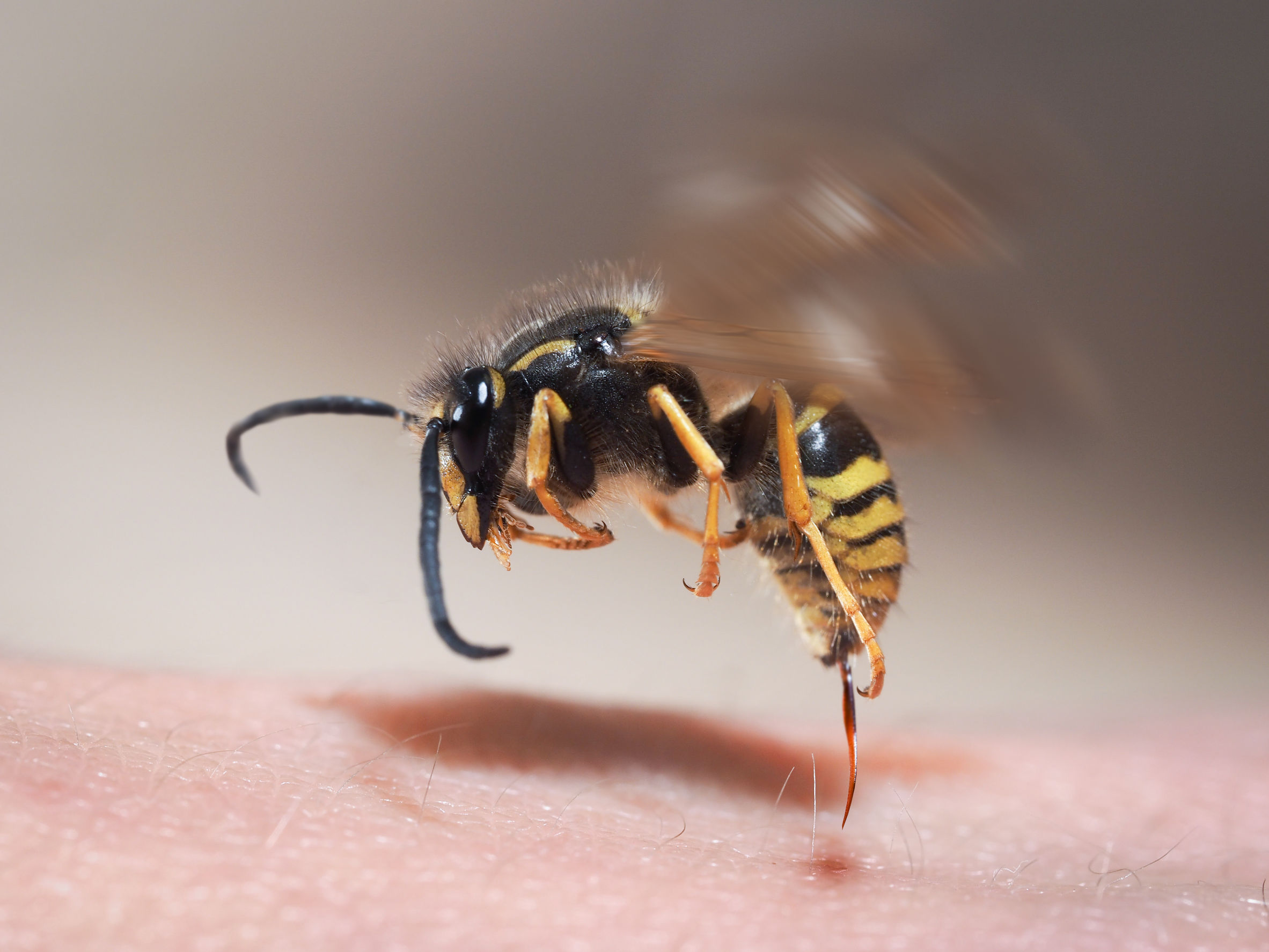
Some varieties of wasps build nests under porches and around homes. As wasp stings can be painful and sometimes dangerous, this is not where you want to find them. This is especially important if you have kids or if someone in your home has an allergy to wasp stings. Here’s how to safely get rid of a wasp nest if you find one near your home.

Identifying a wasp nest

If there is a nest under your porch, you are likely dealing with a paper wasp. Some wasp nests are similar to bees, which require different removal techniques. It’s important to be certain the nest you’re removing is a wasp nest. How do you identify a paper wasp nest? The nests are round, umbrella-shaped cones attached by a stalk to a surface. Wasp choose to hand their nests in many places, including: tree branches, porch ceilings, attics, window corners, and the inside of grills or hose reels. A pest control professional can help you identify the nest if you are unsure.

How to remove the wasp nest

The queen is key to the survival of the wasp colony. If you try to spray, knock down or dismantle the nest, the wasps will sense an attack and protect their queen. The only defense a wasp has is its stings. When removing a nest on your own, you are placing yourself in the path of dozens of wasps. Since each wasp can sting multiple times, you are placing yourself in danger. This is why our pest control professionals recommend you do not try to remove a wasp nest on your own.

A pest control professional can help you determine the type of nest on your property and safely remove the nest. Need help removing a hive? Call us at (602) 688-4985 or send us a message at ftorres@cimexcontrol.com.

Posted on

Signs of rat infestations

Rats stay away from humans if possible. These rodents are secretive. Unless you have a high population in your home, you may not see the rat itself. You have to look for signs elsewhere. Signs of rat infestation include rat droppings, dirt, and grease marks on floorboards and walls.

Mice vs. Rat – Who Causes More Damage?

If you have mice or rats in your home, the damage can be significant. You should have a professional pest control specialist address the situation before you face costly damage. Both rodents can gnaw on various structures and wires in your home. This can cause fire hazards. Mice have smaller, weaker teeth than rats, which means mice can not break through the food containers a rat could. Rats have been known to gnaw through building materials such as aluminum, wood, glass, sheet metal and cinder blocks.

Rats and health hazards

Rats can transmit harmful diseases if they bite or scratch a human or a human comes into contact with droppings or urine around the home. Rats have been known to contaminate food and run across counter tops where food is later prepared. This can lead to contamination and disease. Rats carry: Lymphocytic choriomeningitis, Black Plague, Salmonellosis and more.

Getting rid of rats

To avoid disease and structural damage of your home, take steps to remove rats from the home as soon as you can. Consult a pest control professional for help. If you believe you have a rat infestation, contact us for a free inspection. Most homeowners prefer not to deal with rats up close, so we take care of the problem. We also tailor our plans to each pest problem, making sure we remove critters the first time. Call us at (602) 688-4985 or send us a message at ftorres@cimexcontrol.com.