
Posted on

The Best Ant Killer in 2026

The Best Ant Killer in 2026

Ant problems remain one of the most common pest issues for homeowners, HOAs, and commercial properties across Phoenix, Scottsdale, Chandler, and Glendale. With Arizona’s warm climate and widespread irrigation systems, ants can stay active for much of the year, often appearing suddenly in kitchens, landscaping, or structural areas around buildings.

When people search for the best ant killer, they’re often looking for a quick solution. While store-bought sprays and treatments may provide temporary relief, long-term control usually requires addressing the source of the activity and understanding how ants behave.

Why Ants Are So Persistent

Ant colonies are highly organized and can contain thousands of ants. The ants people see inside a building are usually only a small portion of a much larger colony located outdoors or within structural spaces.

Common conditions that attract ants include:

  • Food sources inside kitchens or break rooms
  • Moisture from irrigation or plumbing leaks
  • Landscaping that provides shelter near structures
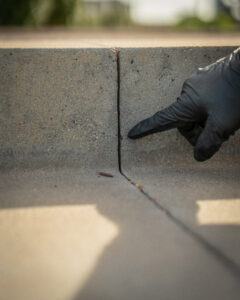
  • Small entry points around doors, windows, and foundations

Because colonies can relocate or split, simply killing the visible ants rarely solves the problem.

Effective Ant Control Methods

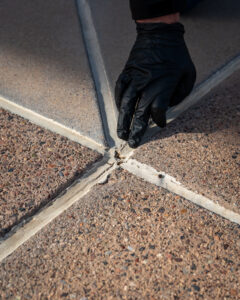
Modern pest control focuses on targeted treatments designed to eliminate the colony and prevent new activity from developing. The CimeX ant control approach includes:

  • Strategic baiting to eliminate the colony at its source
  • Exterior treatments around entry points and activity areas
  • Identification of attractants such as moisture or food sources
  • Ongoing monitoring to prevent recurring infestations

The goal is not just to kill the ants you see, but to disrupt the colony itself and reduce conditions that allow ants to return.

Long-Term Ant Prevention

In Arizona’s climate, consistent monitoring and preventative treatments are often the most reliable way to manage ant activity. For homeowners, HOAs, and commercial properties across the Phoenix Valley, proactive pest control services help keep ant issues under control throughout the year.

Contact us today to schedule a pest control evaluation!  (602) 688-4985
CimeX Control Pest Management

Vote for us! https://tinylink.net/tFmr6

Posted on

How Irrigation Systems in Arizona are Fueling Mosquito Problems

How Irrigation Systems in Arizona are Fueling Mosquito Problems

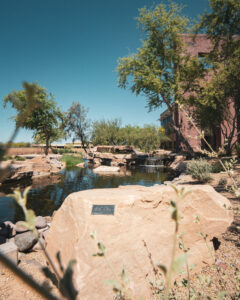
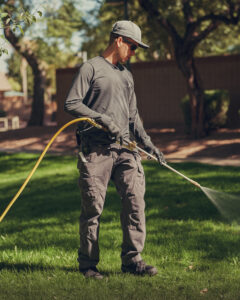
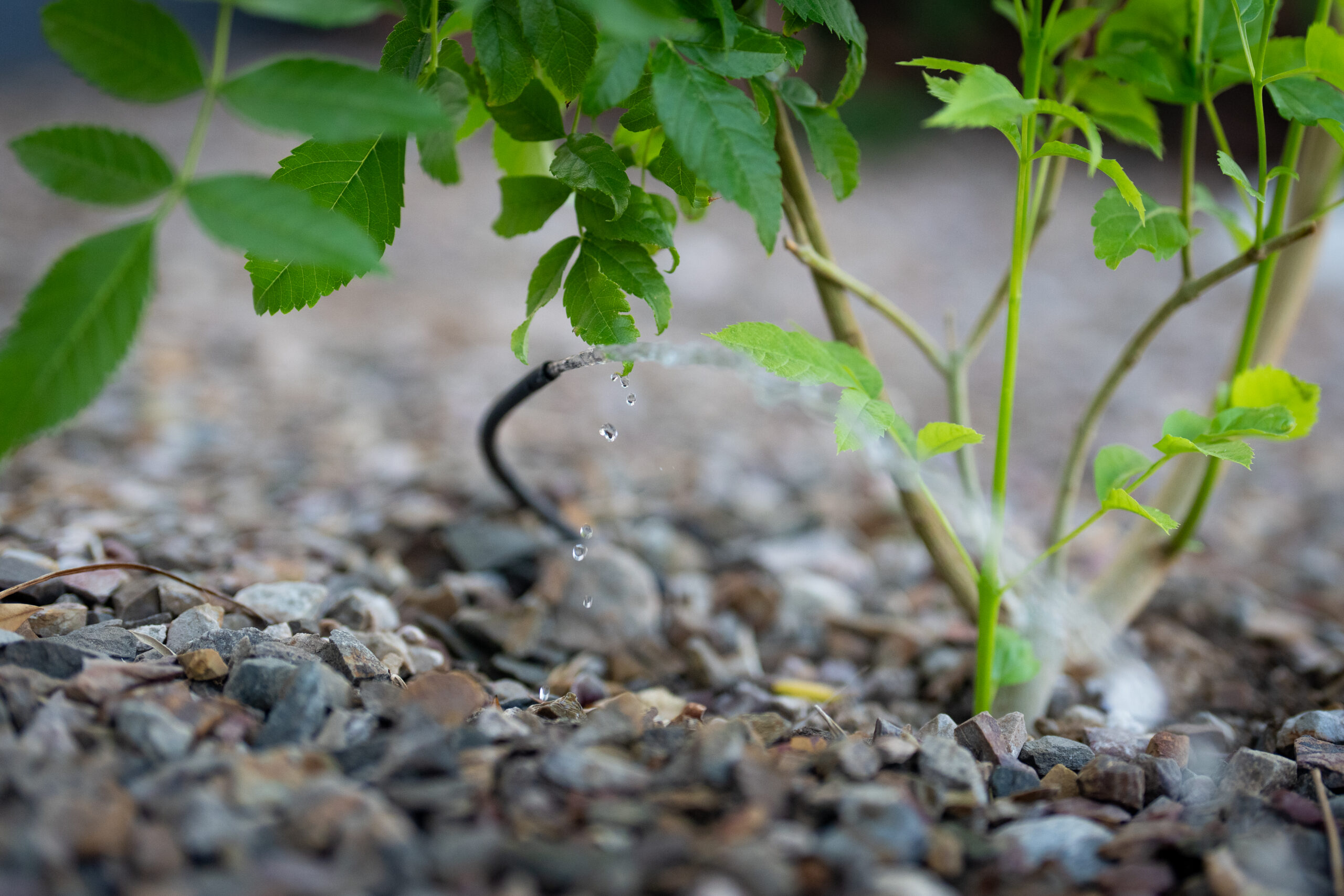
Many HOA and commercial properties here in Southern Arizona unknowingly create ideal mosquito breeding conditions through their irrigation systems. In cities like Phoenix, Scottsdale, Mesa, and Tempe, year-round watering combined with shaded turf, dense shrubbery, and poor drainage can create constant moisture; even when temperatures are mild.

While standing water is often associated with ponds or monsoon storms, over-irrigation and runoff are some of the most common mosquito contributors; even on well maintained properties.

Why Irrigation-Heavy Landscapes Attract Mosquitoes in Arizona

Even small amounts of persistent moisture can support mosquito breeding. Common problem areas include:

  • Overwatered turf that never fully dries
  • Irrigation leaks and broken sprinkler heads
  • Drip-line pooling near foundations or planters
  • Low landscape areas where runoff collects

Mosquitoes only need a small amount of water to reproduce. On large properties with extensive irrigation systems, unnoticed pooling can quickly become a recurring source of activity.

Without proper monitoring, these conditions can allow mosquito populations to steadily increase.

Common Treatment Approach

  • Inspection of moisture zones
  • Standing water treatment application
  • Routine mosquito control to suppress activity
  • Ongoing monitoring to prevent recurrence Why Property-Wide Mosquito Management Matters

Strategic mosquito control helps:

  • Reduce recurring breeding on properties
  • Protect outdoor common areas and amenities
  • Improve tenant and resident satisfaction
  • Prevent complaints during peak outdoor seasons

For HOAs and commercial properties, mosquito issues are often tied to maintenance practices, making a professional evaluation critical.


Schedule a Cimex Mosquito Control Evaluation

If you manage an HOA or commercial property in Southern Arizona, it may be time to evaluate how your irrigation system is impacting mosquito activity. Our professional inspections identify hidden moisture issues and implement targeted mosquito treatments to reduce breeding risks.

Contact us today to schedule a mosquito control evaluation! (602) 688-4985

Cimex Control Pest Management


 Vote for us! https://tinylink.net/tFmr6

Posted on

Properties in Southern Arizona Are High-Risk for Bee Activity

Properties in Southern Arizona Are High-Risk for Bee Activity

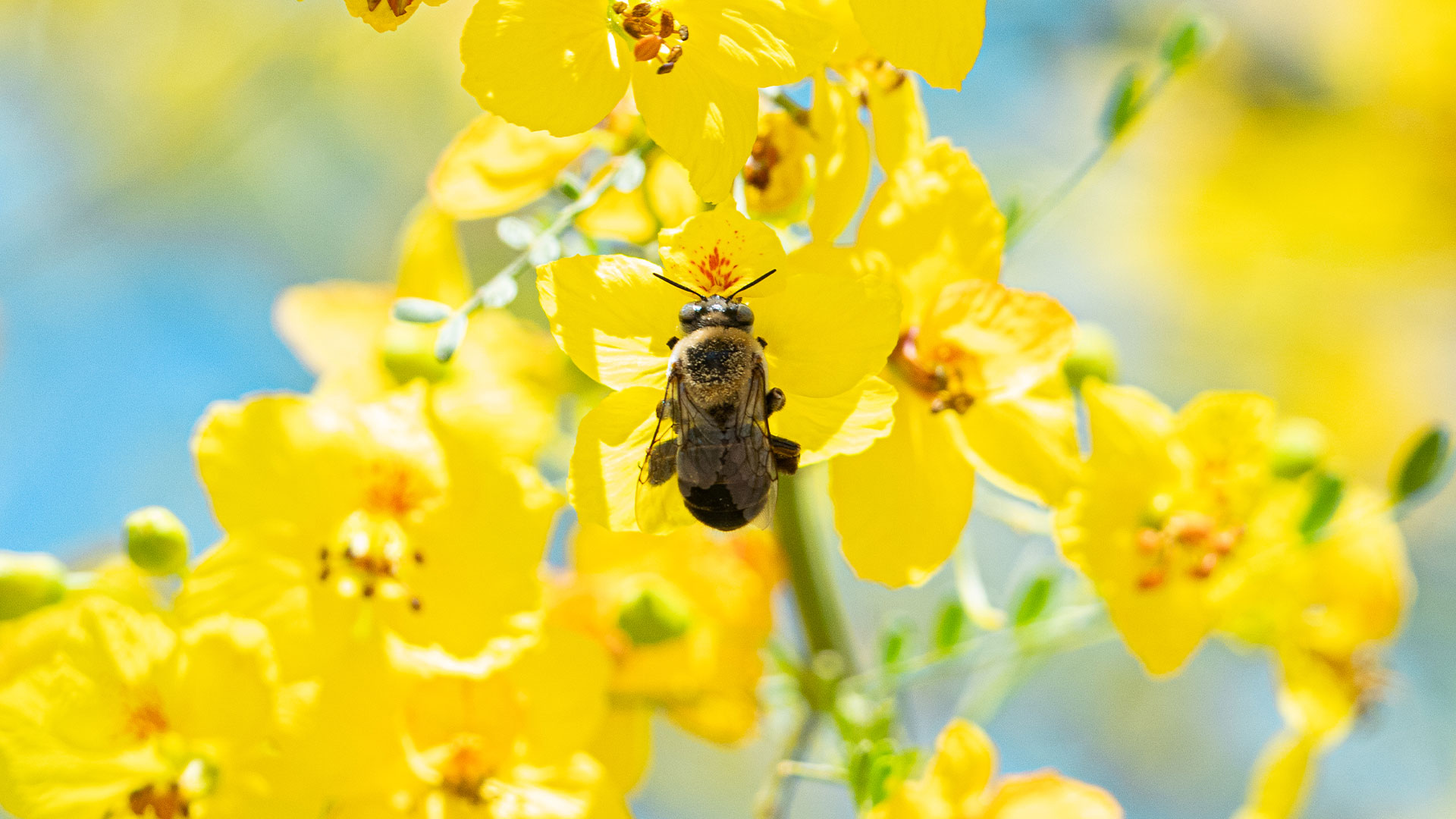
Bee activity in Southern Arizona is common year-round, but large HOA and commercial properties in cities like Phoenix, Scottsdale, Tempe, and Chandler, face unique risks. Expansive landscaping, irrigation infrastructure, utility enclosures, and building spaces create ideal conditions for bee colonies to establish themselves.

Unlike occasional bee sightings, colony establishment can escalate quickly; especially as warmer months approach and swarming activity increases.

Why Bees Choose Large Managed Properties in Arizona

Bees look for protected voids and consistent water sources. On HOA and commercial properties, common attractants include:

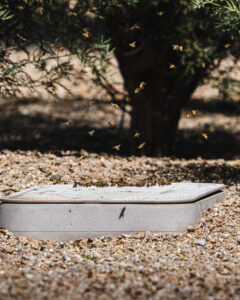
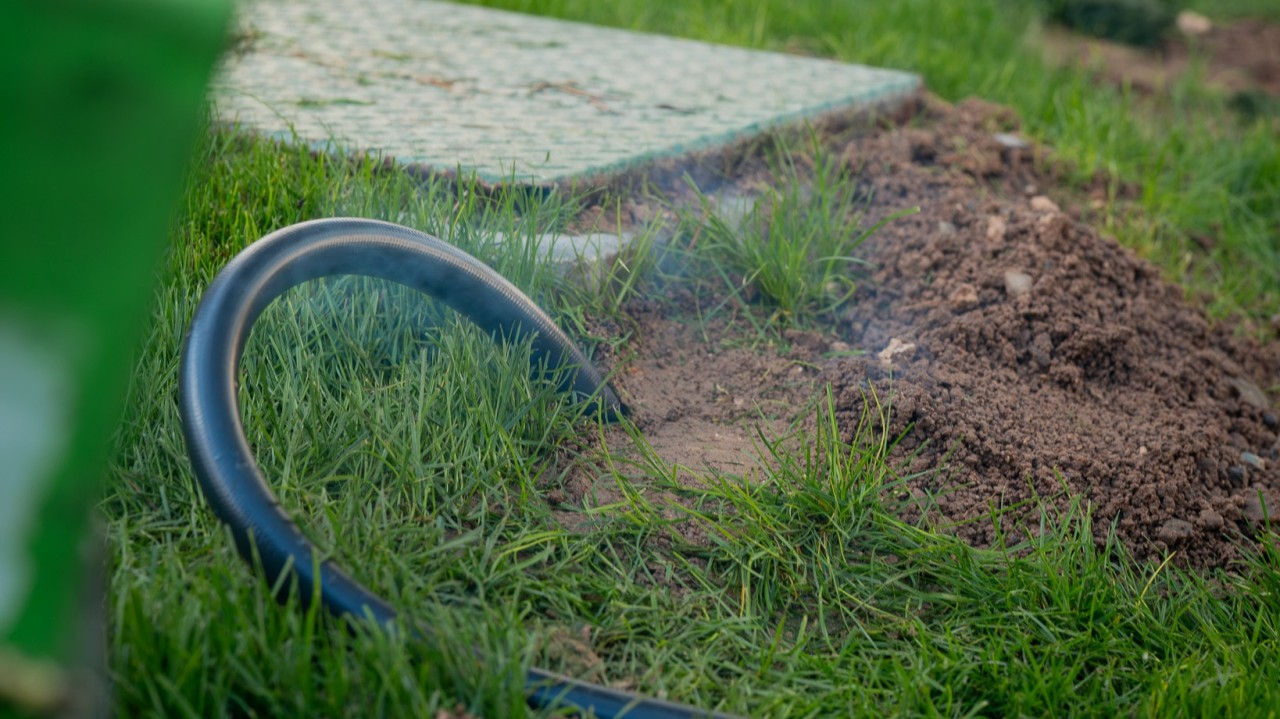
  • Irrigation valve boxes and utility enclosures
  • Wall and roofline gaps
  • Dense hedges and shaded common areas
  • Water sources from irrigation overspray or decorative features

Once a scout bee identifies a suitable location, a swarm can establish a colony rapidly. In Arizona’s climate, colonies can grow quickly and become defensive if disturbed.

Common Treatment Approach

  • Property-wide inspection for swarm and hive activity
  • Identification of structural entry points and spaces
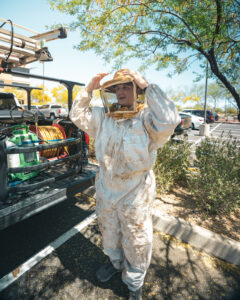
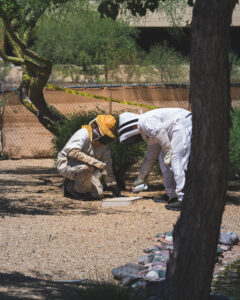
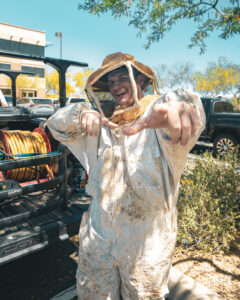
  • Safe bee removal and hive extraction when necessary
  • Sealing and exclusion recommendations
  • Ongoing monitoring during peak swarm season

Professional removal is critical, and improper treatment can increase defensive behavior and create safety risks.

Why Proactive Bee Management Matters

Strategic bee control helps:

  • Reduce liability risks on properties
  • Protect residents, tenants, and visitors
  • Prevent structural damage from honeycomb buildup
  • Maintain safe outdoor common areas and amenities


Schedule a Cimex Bee Control Evaluation

If you manage an HOA or commercial property in Southern Arizona, proactive bee inspections can help identify potential colony sites before they become larger issues. Our professional evaluations locate risk areas and provide safe, effective bee management solutions.

Contact us today to schedule a bee control evaluation! (602) 688-4985
Cimex Control Pest Management


Vote for us! https://tinylink.net/tFmr6

Posted on

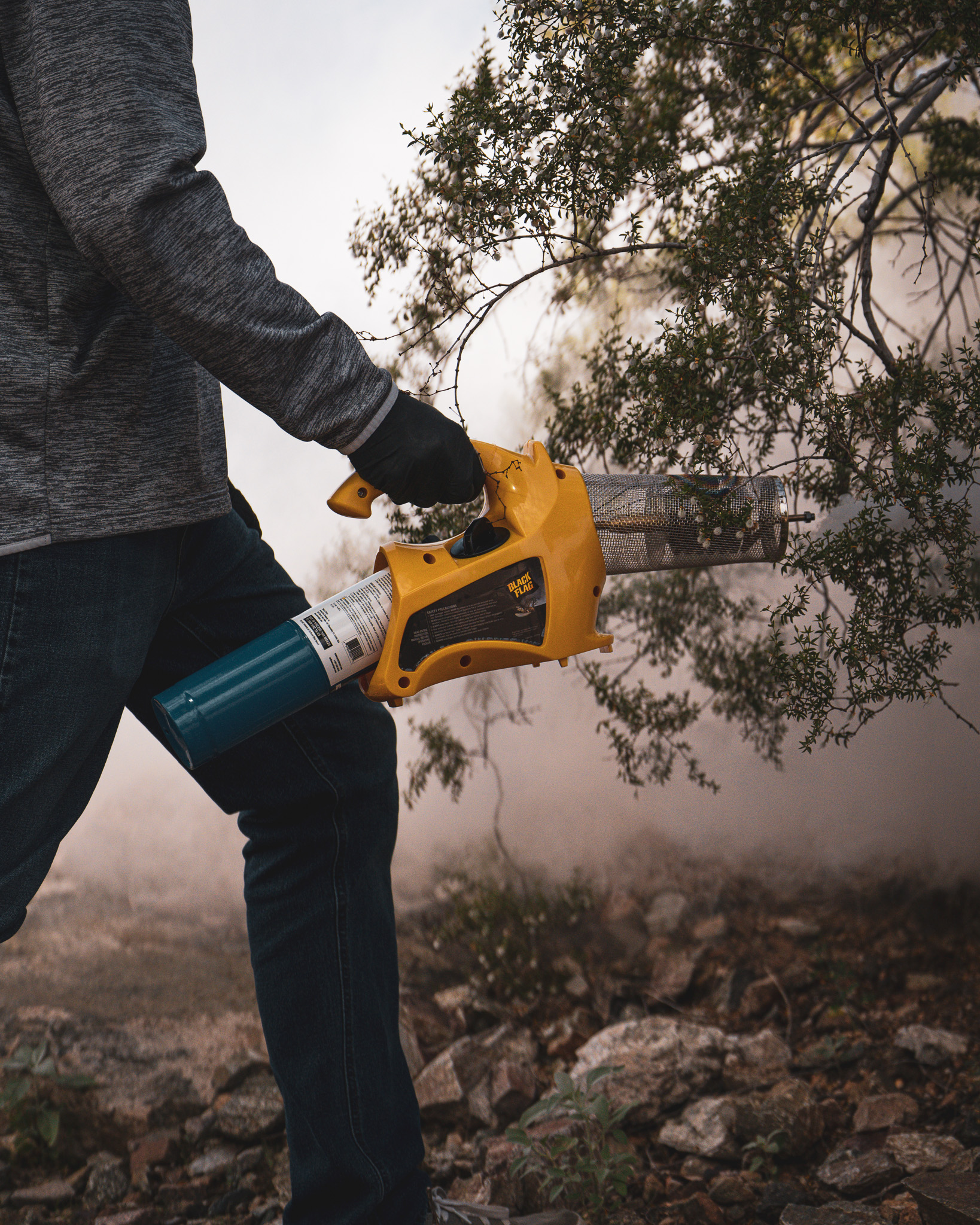
Why Mosquito Season in Arizona Starts Earlier Than You Think

Why Mosquito Season in Arizona Starts Earlier Than You Think

Many people associate mosquitoes with summer, but in Southern Arizona, mosquito activity often begins much earlier. Mild winter temperatures in cities like Phoenix, Scottsdale, Mesa, and Tempe allow mosquitoes to remain active year-round; especially on HOA and commercial properties with irrigation systems, shaded landscapes, and standing water.

February is an ideal time for proactive mosquito control, helping reduce population growth before peak spring and summer seasons.


Why Mosquitoes Thrive Year-Round Here in Arizona

Our climate rarely reaches temperatures cold enough to fully eliminate mosquito populations. Even small amounts of standing water can support breeding, including:

● Irrigation runoff and overwatering


● Catch basins and drainage areas


● Decorative water features


● Shaded planters and landscape low points


Mosquitoes can travel up to a mile from their breeding sites; meaning distant water sources can still have an impact on you.

Without early intervention, mosquito populations can increase rapidly as temperatures rise.


Common Treatment Approach

● Breeding-site identification and reduction


● Standing water management


● Routine mosquito treatments to suppress activity


● Ongoing monitoring to prevent regrowth


Early-season treatments are far more effective than reactive control later in the year.


Why Early Mosquito Control Matters


Proactive mosquito control helps:

● Minimize peak-season infestations

● Protect outdoor amenities before heavy use

● Improve comfort for residents, tenants, and visitors

● Maintain the appearance and reputation of the property


Schedule a Cimex Mosquito Control Evaluation

If you manage an HOA or commercial property in Southern Arizona, now is the time to prepare for mosquito season. One of our professional evaluations can identify breeding risks and implement preventative mosquito treatments before activity increases.

Contact us today to schedule a mosquito control evaluation! (602) 688-4985

 

Cimex Control Pest Management Vote for us! https://tinylink.net/tFmr6

Posted on

Late-Winter Yard Pests That Damage Arizona Properties

Late-Winter Yard Pests That Damage Arizona Properties

Late winter is a critical time for pest activity across Southern Arizona. In cities like Phoenix, Scottsdale, Mesa, and Tempe, cooler temperatures push many pests underground or closer to structures, often causing landscape damage that goes unnoticed until spring.

For HOAs and commercial properties, identifying and addressing yard pests early helps prevent costly repairs and larger infestations later in the year.

Common Late-Winter Yard Pests in Arizona

Gophers & Other Burrowing Rodents:

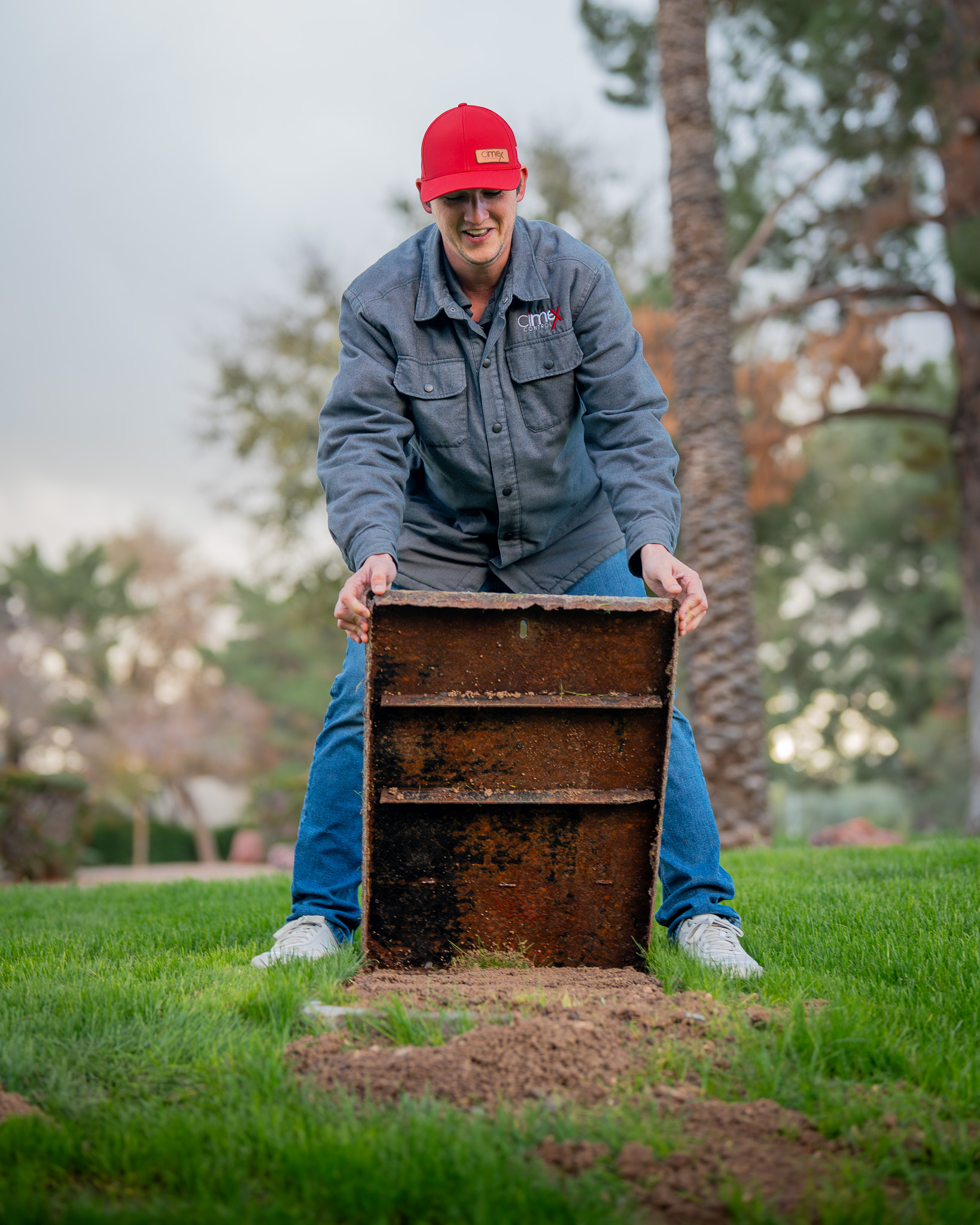
Gophers remain active year-round in Arizona, tunneling through turf and landscaped areas. Their activity can damage irrigation lines, root systems, and landscape features, leading to uneven ground and dead patches in lawns. Other burrowing rodents can create similar issues and increase maintenance costs.

Pack Rats & Ground Squirrels:

These pests often nest near buildings, retaining walls, and storage areas. They can damage wiring, irrigation components, and structures while creating safety and sanitation concerns.


Signs of Underground Pest Activity

  • Fresh mounds or raised soil in landscaped areas


  • Irrigation issues or unexplained water loss


  • Thinning or dying grass and plants


  • Small dark droppings or the smell of urine

Common Treatment Approach

  • Property inspection and pest identification


  • Targeted trapping and control methods


  • Monitoring of active burrow systems


  • Ongoing prevention to reduce reinfestation

Why Late-Winter Pest Control Matters

Addressing yard pests before spring can help:

  • Protect landscaping and irrigation systems


  • Reduce repair and replacement costs
  • Maintain property appearance and safety
  • Prevent small issues from becoming major infestations


Schedule a Cimex Yard Pest Evaluation

If you manage an HOA or commercial property in Arizona, late winter is the ideal time to address underground pest activity. A professional evaluation can identify risks, treat current issues, and protect your property heading into spring.

Contact us today to schedule a pest control evaluation! (602) 688-4985

 

Cimex Control Pest Management Vote for us! https://tinylink.net/tFmr6

Posted on

Winter Pests in Arizona: What You Should Watch For

While Southern Arizona winters are mild, pest activity isn’t! As it gets colder in cities like Phoenix, Scottsdale, Mesa, and Tempe; many pests search for warmth, shelter, and food inside buildings; making winter an important season for proactive pest management on HOA and Commercial Properties.

Understanding which pests are most active during the winter (and how they’re treated) can help prevent larger issues in the future. It’s important to utilize a pest control service to prevent future issues.

Common Winter Pests:

Rats & Gophers: Rodents are one of the most common winter pests that we find on properties. They enter buildings through small openings as well as burrow in the landscape, causing damage to wiring, insulation, landscape, and posing contamination risks.

Common treatment approach: Targeted trapping and ongoing monitoring to prevent reinfestation.

Mosquitos: Mosquito activity can be high year-round here in Arizona, especially around standing water, irrigation systems, and shaded common areas. They pose a threat to health, comfort, and peace of mind. Mosquitos can breed in standing water as far as a mile away while still congregating on your property.

Common treatment approach: Breeding-site reduction, standing water management, and routine treatments to suppress mosquito activity and prevent population regrowth.

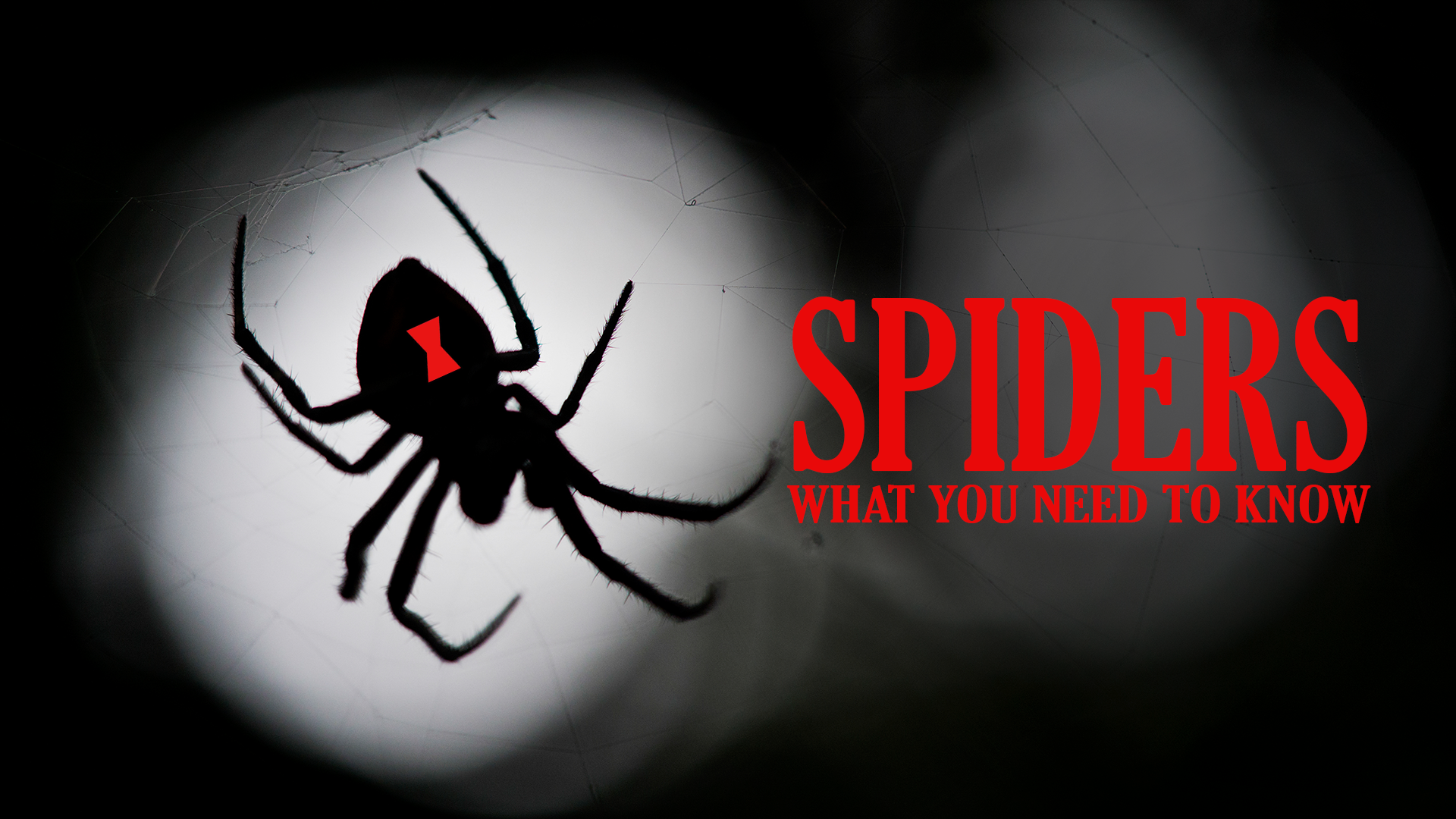
Spiders & Other Pests: Spiders, crickets, and other pests often enter buildings and also cause safety and discomfort issues (especially to kids!)

Common treatment approach: Perimeter treatments, entry-point management, and routine service to reduce presence.

Why Winter Pest Control Matters for HOAs & Commercial Properties

Winter pest issues often go unnoticed; proactive winter treatments help protect landscape and infrastructure, maintain property standards, and keep people safe.

Schedule a Cimex Winter Pest Evaluation

If you manage an HOA or commercial property, winter is the ideal time to address pest activity before it escalates. A professional evaluation can help identify risks, treat current issues, and prepare your property for the seasons ahead.

Contact us today to schedule a winter pest control evaluation! (602) 688-4985
-Cimex Control Pest Management

Posted on

Gophers in Arizona: What You Need to Know (and When to Call a Pro)

Unexplained dirt mounds, failing irrigation, and declining landscape health are often signs of gopher activity. In Arizona cities like Phoenix, Scottsdale, Mesa, and Tempe; gophers are a common issue on properties with turf, common areas, and perimeter landscaping due to our soil conditions and year-round irrigation.

Because gophers operate almost entirely underground, damage is frequently discovered only after it becomes disruptive or costly. It’s important to utilize a pest control service to prevent future issues.

Common Signs on HOA & Commercial Properties:

  • Crescent shaped dirt mounds
  • Dying turf or plants
  • Soft or uneven ground in landscaped areas
  • Damage to drip lines or sprinkler systems

Why Gophers Are a Risk for Properties:

In Arizona, pocket gophers remain active year-round, especially after rain. If untreated, gophers can:

  • Drive up landscaping and repair expenses
  • Damage underground irrigation
  •  Create trip hazards
  • Negatively affect property appearance and resident satisfaction

When to Call Cimex?

Recurring gopher activity usually requires a professional approach. DIY methods are rarely effective on large properties due to the size of tunnel systems and the need for ongoing monitoring.

Schedule a Gopher Evaluation

If your property is showing signs of gopher activity, early intervention can help protect your landscaping, irrigation systems, and overall property value.

Contact us today to schedule a gopher evaluation for your HOA or commercial property!

(602) 688-4985
– Cimex Control Pest Management