
Posted on

Cimex Articles of May


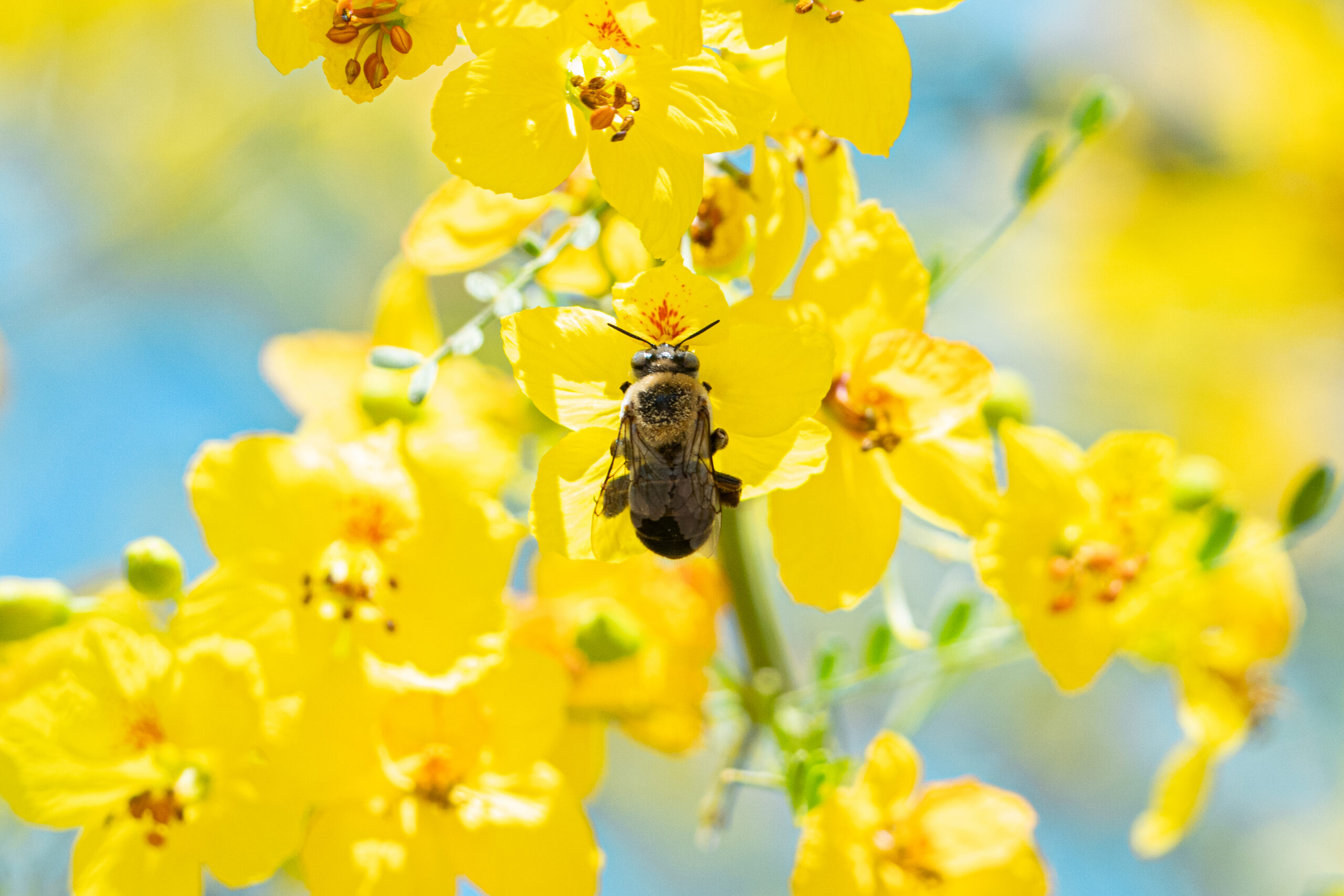
1. Bee activity increases significantly across Arizona during the warmer months, especially throughout Phoenix, Scottsdale, Mesa, and surrounding areas. As temperatures rise, bee colonies begin searching for reliable food and water sources, often establishing nests in unexpected places around residential and commercial properties. Professional bee control is essential during this seasonal surge, as untreated colonies can quickly grow in size and become a serious safety concern for anyone nearby. Early identification and treatment help prevent aggressive behavior, reduce risks to people and pets, and ensure colonies are removed safely and effectively.
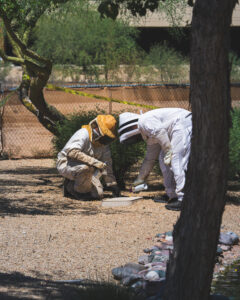


2. Bee colonies commonly establish nests inside utility and landscape boxes because these enclosed spaces provide protection from heat, predators, and weather conditions. In this case, our team safely removed an active colony from a landscape valve box located on a commercial property. Situations like this can escalate quickly if left untreated, especially in high-traffic areas where employees, customers, or residents may unknowingly come into contact with the hive. Fast, professional bee removal helps eliminate immediate risks while preventing the colony from continuing to expand.
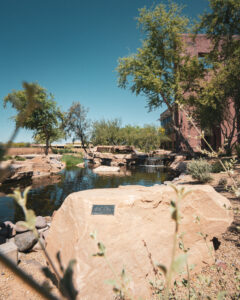
 

3. Arizona landscapes naturally attract bee activity due to the abundance of flowering plants, irrigation systems, and open water sources commonly found throughout the Valley. Bees are constantly searching for nectar and hydration, making residential communities, commercial properties, and landscaped common areas ideal environments for colony growth. While bees play an important role in the ecosystem, active colonies located near walkways, playgrounds, entrances, or utility boxes can become dangerous. If buzzing or increased bee activity is noticed around a property, it is important to keep a safe distance and contact CimeX for inspection and removal.
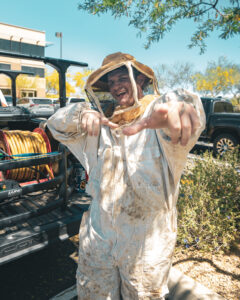


4. Safety is one of the most important aspects of professional bee removal. Proper personal protective equipment (PPE), specialized tools, and experienced handling techniques are essential when working around active colonies. Bee removal should never be approached without the proper training, as disturbed colonies can become aggressive very quickly. Our technicians are fully equipped to safely remove colonies from residential and commercial properties while minimizing risks to surrounding people, pets, and structures.
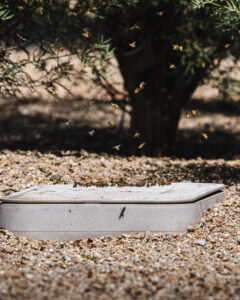


5. Active bee hives hidden inside landscape boxes, irrigation systems, and utility enclosures can pose serious safety hazards on commercial properties. These concealed nesting areas often go unnoticed until bee activity becomes highly visible or someone accidentally disturbs the colony. In high-traffic environments, untreated hives can create dangerous conditions for employees, customers, and maintenance crews. CimeX bee control services focus on safely removing the colony, identifying contributing conditions, and helping reduce the likelihood of future infestations around the property.
Posted on

Rodent Activity in Arizona: Understanding Roof Rats and Other Common Species

Rodent Activity in Arizona: Understanding Roof Rats and Other Common Species


Many homes and commercial properties across Southern Arizona deal with rodent activity year-round. In cities like Phoenix, Scottsdale, Mesa, and Tempe, the desert climate doesn’t eliminate rodent problems; it simply changes how and where they thrive.

Why Rodents Thrive in Arizona Properties

Rodents are highly adaptable and take advantage of both structural vulnerabilities and environmental conditions. Common contributing factors include:

  • Dense vegetation providing food and cover
  • Easy access to attics, roofs, and crawl spaces
  • Unsecured trash left outdoors
  • Irrigation systems creating reliable water sources


Even well-maintained properties can unknowingly provide everything rodents need to survive and reproduce.

Common Rodents Found in Arizona:

Roof Rats (Black Rats)

Roof rats are one of the most common and problematic rodents in Arizona. They are excellent climbers and are typically found in:

  • Attics and rooflines
  • Trees, especially citrus and palm varieties
  • Garages and warehouses

Norway Rats (Brown Rats)

Norway rats prefer ground-level environments such as:

  • Burrows along foundations
  • Sewer systems and drainage areas
  • Lower levels of buildings

House Mice

House mice are smaller but extremely invasive and can fit through openings as small as a dime. They are often found:

  • Inside walls and cabinets
  • In kitchens and storage areas
  • Around food sources indoors


Because of their size and rapid reproduction, infestations can escalate quickly if left untreated.

Common Treatment Approach

  • Full property inspection to identify entry points and activity
  • Strategic trapping and baiting based on rodent type
  • Sealing of accessible entry points
  • Ongoing monitoring and prevention strategies

Why Rodent Control Matters

Effective rodent control helps:

  • Prevent structural damage caused by gnawing
  • Reduce contamination of food and surfaces
  • Eliminate noise and disturbance in walls or ceilings
  • Protect property reputation for commercial and HOA environments


Rodent issues rarely resolve on their own and often worsen over time without proper intervention.

Schedule a CimeX Rodent Inspection:


Contact us today to schedule a rodent control evaluation! (602) 688-4985

CimeX Control Pest Management


 Vote for us! https://azbigmedia.com/vote-ranking-arizona/#/gallery/500845828

Posted on

Africanized Bees in Phoenix, AZ: What You Need to Know

Africanized Bees in Phoenix, AZ: What You Need to Know

Africanized bees are a serious concern for homeowners and property managers across Phoenix, Scottsdale, Chandler, Gilbert, and Tempe. Commonly called “killer bees,” these aggressive honeybees are widespread throughout Arizona and require professional handling.

Where Africanized Bees Come From

Africanized bees are a hybrid of African honeybees and European honeybees. They were first introduced in Brazil in the 1950s and gradually spread north into the United States. Today, they are well established in Arizona due to their ability to thrive in hot, dry climates.

Why Africanized Bees Are More Dangerous

  • They react faster to disturbances
  • They defend their hive in larger numbers
  • They will pursue perceived threats over longer distances
  • They are more likely to nest close to human activity

Common Areas Where Bees Nest in Arizona

  • Block walls and stucco voids
  • Attics and roof eaves
  • Irrigation boxes and valve covers
  • Sheds, garages, and storage units
  • Trees, bushes, and dense landscaping


Many infestations go unnoticed until activity becomes visible, making early detection important. Attempting DIY bee removal is not recommended due to the risk of aggressive swarming.

Bee Removal Helps:

  • Protect residents, tenants, and customers
  • Reduce liability for HOAs and commercial properties
  • Prevent structural nesting and honeycomb buildup
  • Eliminate recurring infestations

Schedule Africanized Bee Removal with CimeX

If you are dealing with bees around your property, do not wait. CimeX offers expert bee removal with fast response times and proven results.

Contact us today to schedule your bee removal service! (602) 688-4985 CimeX Control Pest Management


Vote for us! https://azbigmedia.com/vote-ranking-arizona/#/gallery/500845828/