
Posted on

Cimex Articles of July

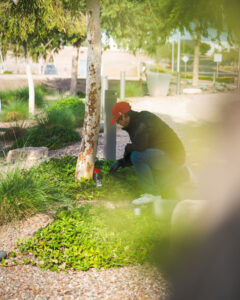
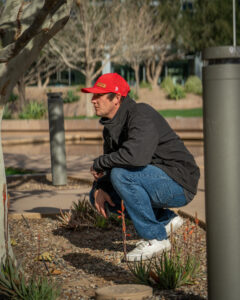
1. Pocket gophers are a common landscaping pest throughout Phoenix, Scottsdale, Tempe, and surrounding Arizona communities, where underground tunneling can quickly damage lawns, irrigation lines, and plant root systems. Fresh crescent-shaped dirt mounds appearing across turf or landscape beds are often the first visible sign of an active gopher infestation, making early inspection and professional gopher control important for protecting Valley properties.



2. Gophers can cause significant underground damage before property owners ever notice a problem, often pushing soil into irrigation access boxes and utility areas through their tunnel systems. In Phoenix-area landscapes, routine pest inspections and prompt gopher control treatments are essential to prevent costly damage to irrigation infrastructure and landscaping.



3. Professional gopher control in Phoenix typically relies on targeted baiting and smoke treatments applied directly within active tunnel systems. Because proper placement, timing, and tunnel identification are critical for success, our Cimex trained pest control technicians play a key role in effectively eliminating gopher activity on residential and commercial properties.



4. Effective pest control in Phoenix requires ongoing technician training, strong communication, and a deep understanding of pest behavior specific to Arizona’s desert environment. By continually refining treatment techniques, safety practices, and inspection methods, Cimex Pest Management professionals can deliver consistent and reliable service across every property they maintain.


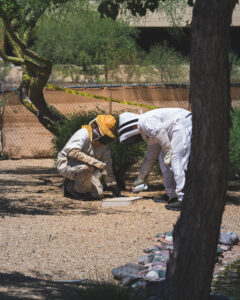
5. Seasonal pest activity in the Phoenix Valley increases as temperatures warm, especially for pests like bees and mosquitoes. The Cimex team understands the early signs of pest behavior and activity, allowing us to apply proactive treatments that help protect properties and prevent infestations before they become larger problems.


6. Pest Control services in Phoenix are essential to help HOA’s maintain safe, clean, and pest-free community environments across common areas, landscaping, and shared amenities. Routine inspections, preventative treatments, and rapid response to pest activity help homeowners associations protect property values while minimizing disruptions for residents.


Posted on

Cimex Articles of June


1. Rodents are one of the most common pest problems for homes and businesses throughout Phoenix, Scottsdale, Mesa, Tempe, and surrounding Arizona communities. Common species such as roof rats and house mice can contaminate food, damage insulation, chew electrical wiring, and create costly structural problems if left untreated. Because rodents reproduce quickly and are highly adaptable, even a small infestation can grow rapidly. At CimeX, rodent control focuses on identifying the source of activity, eliminating existing populations, and implementing preventative measures to help keep rodents from returning.


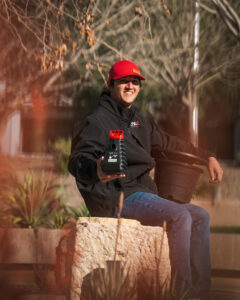
2. Rodent bait stations are an important component of an effective rodent management program for residential and commercial properties. These tamper resistant stations are strategically placed in areas where rodent activity is most likely to occur, allowing our technicians to target rodents while helping protect the bait from weather, pets, and other non-target animals. Proper placement is critical to maximizing effectiveness, which is why our trained technicians evaluate rodent travel routes, nesting areas, and food sources before installation. Routine inspections and maintenance help ensure the stations continue providing long-term protection.



3. Rodents are constantly searching for three basic necessities: food, water, and shelter. Overflowing trash containers, pet food, cluttered storage areas, dense landscaping, and other hidden spaces provide ideal conditions for rodents to feed and establish nests. Regularly cleaning these areas and reducing potential harborages can significantly lower the risk of an infestation.


4. Snap traps remain one of the most effective tools for controlling rodent activity when placed correctly in targeted locations. Our technicians use snap traps in areas where rodents frequently travel, including garages, storage rooms, attics, and crawl spaces. In some situations, traps may also be placed near vehicle storage areas or engine bays where rodents are known to chew wiring and other components.


5. One of the most effective ways to prevent rodent infestations is by eliminating their access to your property. Mice can squeeze through openings as small as a quarter of an inch, while rats only need slightly larger gaps to enter a building. Damaged weather stripping, gaps around utility lines, foundation cracks, roof openings, and doors left open all provide opportunities for rodents to get inside. Our technicians perform perimeter inspections to identify vulnerable entry points and help keep rodents outside where they belong.

Posted on

Cimex Articles of May


1. Rodents are one of the most common pest problems for homes and businesses throughout Phoenix, Scottsdale, Mesa, Tempe, and surrounding Arizona communities. Common species such as roof rats and house mice can contaminate food, damage insulation, chew electrical wiring, and create costly structural problems if left untreated. Because rodents reproduce quickly and are highly adaptable, even a small infestation can grow rapidly. At CimeX, rodent control focuses on identifying the source of activity, eliminating existing populations, and implementing preventative measures to help keep rodents from returning.


2. Rodent bait stations are an important component of an effective rodent management program for residential and commercial properties. These tamper resistant stations are strategically placed in areas where rodent activity is most likely to occur, allowing our technicians to target rodents while helping protect the bait from weather, pets, and other non-target animals. Proper placement is critical to maximizing effectiveness, which is why our trained technicians evaluate rodent travel routes, nesting areas, and food sources before installation. Routine inspections and maintenance help ensure the stations continue providing long-term protection.

 

3. Rodents are constantly searching for three basic necessities: food, water, and shelter. Overflowing trash containers, pet food, cluttered storage areas, dense landscaping, and other hidden spaces provide ideal conditions for rodents to feed and establish nests. Regularly cleaning these areas and reducing potential harborages can significantly lower the risk of an infestation.


4. Snap traps remain one of the most effective tools for controlling rodent activity when placed correctly in targeted locations. Our technicians use snap traps in areas where rodents frequently travel, including garages, storage rooms, attics, and crawl spaces. In some situations, traps may also be placed near vehicle storage areas or engine bays where rodents are known to chew wiring and other components.


5. One of the most effective ways to prevent rodent infestations is by eliminating their access to your property. Mice can squeeze through openings as small as a quarter of an inch, while rats only need slightly larger gaps to enter a building. Damaged weather stripping, gaps around utility lines, foundation cracks, roof openings, and doors left open all provide opportunities for rodents to get inside. Our technicians perform perimeter inspections to identify vulnerable entry points and help keep rodents outside where they belong.

Posted on

Cimex Articles of April


1. Power spraying is one of the most effective and widely used methods for ant control across Phoenix and surrounding areas like Scottsdale, Mesa, and Tempe. This treatment involves applying a targeted liquid barrier along a property’s foundation, common entry points, and landscaping edges where ant activity is most likely to occur. By creating a protective perimeter, power spraying helps stop ants before they can enter homes or commercial buildings, significantly reducing infestations. However, effective ant control goes beyond surface-level treatment; once the perimeter is secured, it’s essential to identify and eliminate the colony at its source.


2. Granular and gel baits are a powerful, dual-action solution for ant control across Phoenix. Unlike surface treatments that target visible activity, these baiting methods work at a deeper level by leveraging natural ant behavior. Ants collect the granular and gel bait products and carry them back to the colony, where they are shared among the population (including the queen). This process allows the treatment to disrupt the colony from within, ultimately leading to more effective and long-lasting ant control. By combining multiple baiting strategies, CimeX pest control professionals can adapt to different ant species and environments, ensuring comprehensive coverage for both residential and commercial properties.


3. Preparation is a critical foundation of effective pest control, especially in regions like Phoenix and surrounding areas including Chandler, Mesa, and Glendale, where year-round pest activity is common due to warm climates and urban development. At CimeX, a proactive approach is central to maintaining pest-free environments for both residential and commercial properties.


4. Identifying ant travel paths is a critical step in effective ant control throughout Phoenix and nearby areas. Ants rely on consistent scent trails to move between their colony and food sources, often using the same routes repeatedly to access kitchens, break rooms, and other high-traffic areas. When a technician identifies these travel paths, targeted treatments can be applied directly along these routes to disrupt activity and eliminate access points. By cutting off these pathways, our pest control team can prevent ants from reaching common areas, ultimately reducing infestations and supporting long-term control for commercial properties.

Posted on

Cimex Articles of March


1. Mosquito activity in Arizona remains a persistent issue across Phoenix, Scottsdale, Mesa, and Tempe due to warm temperatures and widespread irrigation. Mosquitoes thrive in environments with standing water and shaded areas, making residential communities, HOAs, and commercial properties especially vulnerable. Understanding mosquito behavior and implementing proactive mosquito control treatments is essential for reducing populations and preventing bites throughout the Valley.


2. Mosquito breeding is commonly found in standing water sources such as irrigation runoff, planters, drainage areas, and water features across Phoenix and surrounding cities. Our CimeX professional pest control technicians use targeted strategies to identify high-activity zones and breeding areas. Early detection and proper placement of mosquito control solutions are key to minimizing mosquito populations on both residential and commercial properties.


3. CimeX professional mosquito pest control services in Phoenix, Scottsdale, Mesa, and Tempe focus on both prevention and active treatment. Comprehensive pest control evaluations help identify conditions that attract mosquitoes and other pests, including ants, gophers, and more. By addressing and applying targeted treatments, our pest control professionals can significantly reduce pest activity and improve overall property protection.


4. Mosquito traps are an effective tool used in our professional pest control programs throughout the Phoenix Valley. These traps help monitor mosquito populations, reduce breeding cycles, and support long-term mosquito management strategies. At CimeX, our mosquito control approach combines trapping, habitat reduction, and targeted treatments to deliver reliable results for residential and commercial clients across Arizona.