Why Mosquito Season in Arizona Starts Earlier Than You Think
Many people associate mosquitoes with summer, but in Southern Arizona, mosquito activity often begins much earlier. Mild winter temperatures in cities like Phoenix, Scottsdale, Mesa, and Tempe allow mosquitoes to remain active year-round; especially on HOA and commercial properties with irrigation systems, shaded landscapes, and standing water.
February is an ideal time for proactive mosquito control, helping reduce population growth before peak spring and summer seasons.
Why Mosquitoes Thrive Year-Round Here in Arizona
Our climate rarely reaches temperatures cold enough to fully eliminate mosquito populations. Even small amounts of standing water can support breeding, including:
● Irrigation runoff and overwatering
● Catch basins and drainage areas
● Decorative water features
● Shaded planters and landscape low points
Mosquitoes can travel up to a mile from their breeding sites; meaning distant water sources can still have an impact on you.
Without early intervention, mosquito populations can increase rapidly as temperatures rise.
Common Treatment Approach
● Breeding-site identification and reduction
● Standing water management
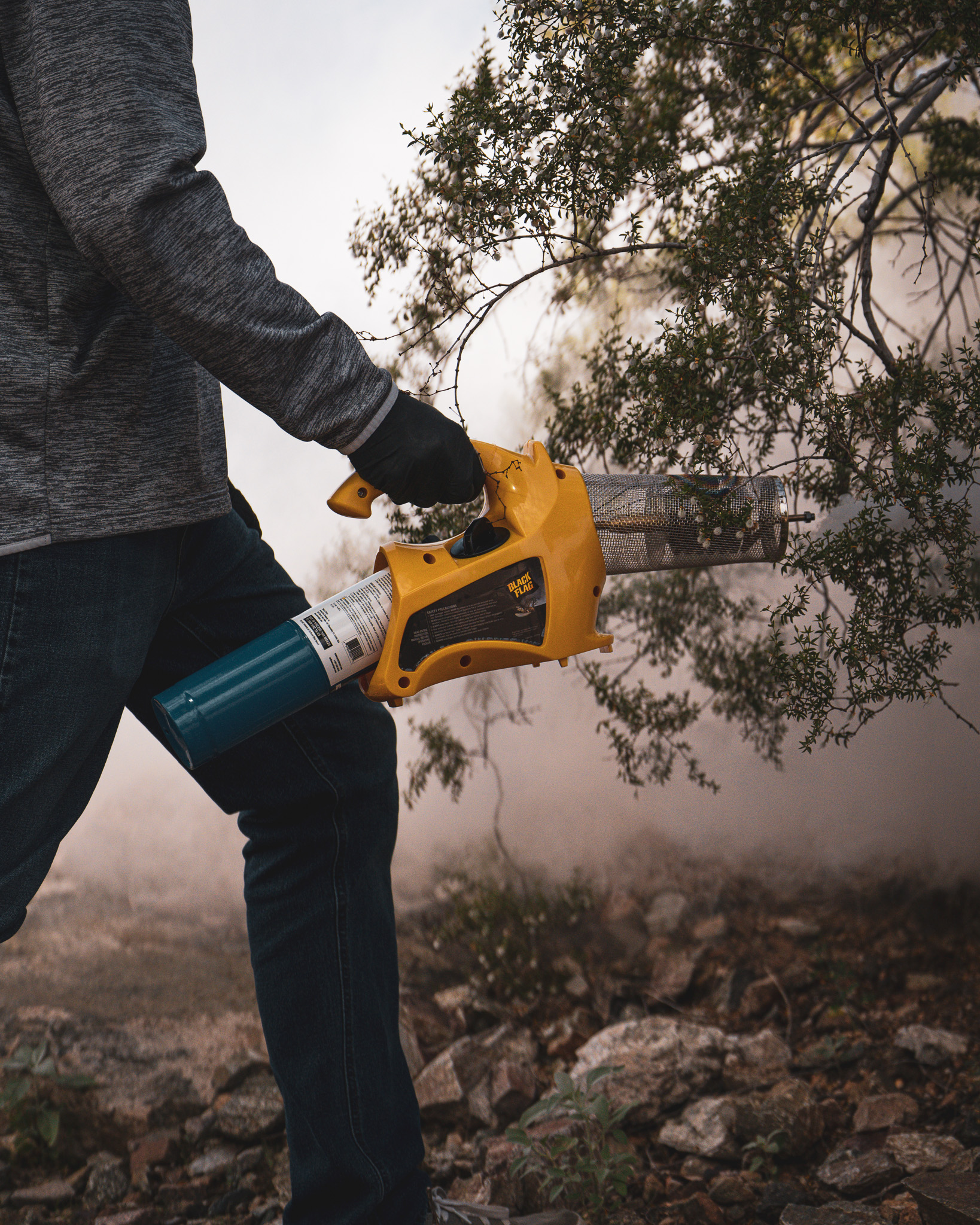
● Routine mosquito treatments to suppress activity
● Ongoing monitoring to prevent regrowth
Early-season treatments are far more effective than reactive control later in the year.
Why Early Mosquito Control Matters
Proactive mosquito control helps:
● Minimize peak-season infestations
● Protect outdoor amenities before heavy use
● Improve comfort for residents, tenants, and visitors
● Maintain the appearance and reputation of the property
Schedule a Cimex Mosquito Control Evaluation
If you manage an HOA or commercial property in Southern Arizona, now is the time to prepare for mosquito season. One of our professional evaluations can identify breeding risks and implement preventative mosquito treatments before activity increases.
Contact us today to schedule a mosquito control evaluation! (602) 688-4985
Cimex Control Pest Management Vote for us! https://tinylink.net/tFmr6